
Vadodara, India:
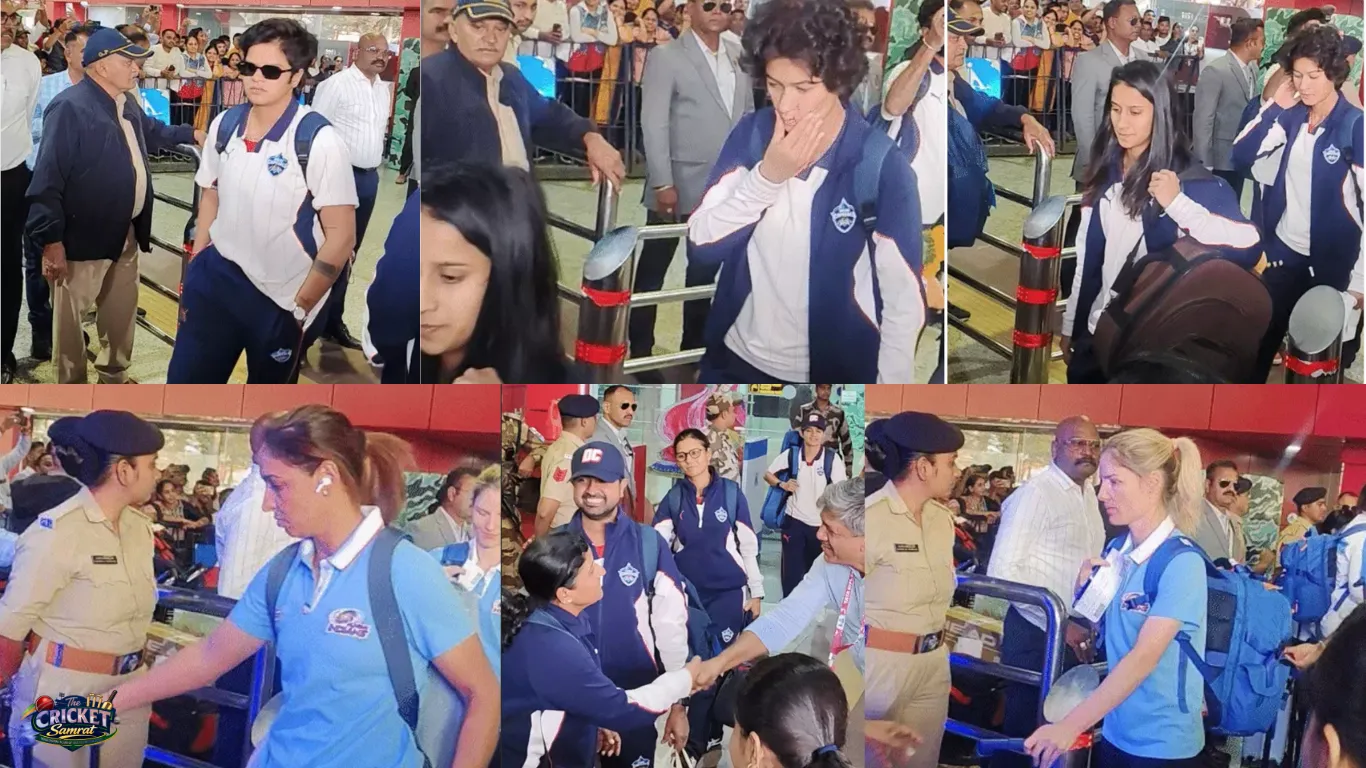
The excitement surrounding WPL 2026 has reached a fever pitch as top women’s cricket teams touched down in Vadodara ahead of the next phase of the Women’s Premier League. The arrival of some of the biggest names in women’s cricket, including Smriti Mandhana, Shafali Verma, Harmanpreet Kaur, and Jemimah Rodrigues, sparked massive enthusiasm among fans who gathered in large numbers at Vadodara Airport to catch a glimpse of their sporting idols.
With matches set to resume at the Kotambi International Cricket Stadium from Monday, the city has once again transformed into a hub of women’s cricket, reaffirming its growing importance in India’s sporting landscape. The upcoming fixtures mark a crucial stretch in WPL 2026, with league games, the eliminator, and the final all scheduled to be held in Vadodara.
Delhi, Mumbai, and Bengaluru Squads Arrive Together
On Sunday, teams from Delhi Capitals, Mumbai Indians, and Royal Challengers Bengaluru landed in Vadodara amid tight security and enthusiastic crowds. Fans lined the airport premises hours before the teams’ arrival, hoping for autographs, selfies, or even a brief wave from their favourite players.
Security officials worked closely with tournament organisers to ensure smooth movement of the players, who were later escorted to their respective hotels. Despite the logistical challenges, players made an effort to acknowledge supporters, waving and smiling as fans chanted their names.
The opening match of the Vadodara leg of WPL 2026 will be played between Gujarat Giants and Royal Challengers Bengaluru, setting the stage for an action-packed week of elite women’s cricket.
From Navi Mumbai to Vadodara: A Crucial Shift in the Tournament
The Women’s Premier League 2026 officially began on January 9, with the first 11 matches hosted at the DY Patil Stadium in Navi Mumbai. That phase featured competitive cricket, packed stands, and growing international interest in the league.
Following the successful completion of the Navi Mumbai leg, the tournament has now shifted to Vadodara, where the remaining 11 matches, including the Eliminator on February 3 and the Final on February 5, will take place at the Kotambi International Cricket Stadium.
The Gujarat Giants were the first to arrive in the city on Saturday night, giving them additional time to acclimatise to local conditions. The arrival of other teams on Sunday has completed the transition, while UP Warriorz are expected to reach Vadodara on Monday.
Fans Turn Out in Droves to See Women’s Cricket Icons
The presence of star players turned the airport into a sea of excitement. Smriti Mandhana, one of the most recognisable faces of women’s cricket globally, drew loud cheers as soon as she appeared. Shafali Verma, known for her fearless batting style, was another major attraction, particularly among younger fans.
Other players who caught the public’s attention included Harmanpreet Kaur, Richa Ghosh, Jemimah Rodrigues, and local favourite Radha Yadav, who hails from Vadodara and enjoys strong home support whenever she plays in the city.
Several international players have also joined their respective squads in Vadodara. One overseas Mumbai Indians cricketer arrived with her young son, a moment that stood out for many fans and highlighted the evolving work-life balance in women’s professional sport.
Former Indian fast bowler Venkatesh Prasad, now serving as the bowling coach for Delhi Capitals, was also present, adding further weight to the league’s growing professionalism.
Emotional Reactions from Fans: “A Moment I’ll Never Forget”
For many supporters, the chance to see elite women cricketers up close was deeply emotional.
Vaishali Rajput, a passionate cricket fan, shared her experience at the airport.
“I had actually come here to drop off a friend,” she said. “I recently returned from Puri, and I feel truly blessed. Because of that, I got to see my favourite player, Shafali Verma, right here in Vadodara. Seeing three WPL teams together was unbelievable. The Indian women’s players we usually see only on television, but today they greeted us so warmly. They smiled, waved, and said hello. It made us feel valued as fans.”
Her sentiment echoed the feelings of many others who believe WPL 2026 has brought fans closer to players than ever before.
Young Fans Inspired by Role Models
Another supporter, Prem Solanki, had arrived at the airport with hopes of collecting autographs.
“I came here mainly to see the women cricketers and hopefully get an autograph,” he explained. “I couldn’t meet them personally, but just seeing them was enough. Smriti Mandhana is my favourite player. This was the first time I saw her from such close range, and it felt amazing.”
Such interactions underline the impact of WPL 2026 in inspiring a new generation of cricket followers, especially young girls who now see women athletes commanding the same admiration traditionally reserved for male players.
Vadodara’s Growing Role in Women’s Cricket
Vadodara’s selection as a host city for the second consecutive year reflects the success of last season’s organisation. In the previous edition of the Women’s Premier League, matches held at the Kotambi International Cricket Stadium were widely praised for crowd management, pitch quality, and fan engagement.
Based on that success, the BCCI and tournament organisers once again entrusted Vadodara with hosting a major portion of WPL 2026, including its most critical matches.
Local authorities have confirmed that extensive preparations have been made to ensure seamless conduct of games, with enhanced security, improved transportation arrangements, and fan-friendly facilities around the stadium.
What Lies Ahead in WPL 2026
As the league stage intensifies, every match in Vadodara will carry significant weight in determining playoff positions. With teams evenly matched and individual performances already grabbing headlines, the race to the final is expected to be fiercely competitive.
The upcoming fixtures will not only shape the destiny of the teams but also further elevate the global profile of the Women’s Premier League. Broadcasters have reported rising international viewership, particularly from the UK, Australia, and the United States, where interest in women’s cricket continues to grow.
Experts believe WPL 2026 is playing a critical role in redefining women’s cricket as a commercially viable, globally marketable sport.
Also read: Who Is Yesha Sagar? Meet the WPL 2026 Mystery Anchor Taking Social Media by Storm
A League Beyond Cricket
Beyond the boundaries and scorecards, WPL 2026 stands as a symbol of progress. The sight of international players travelling with their families, young fans finding new heroes, and cities like Vadodara embracing women’s sport with pride highlights how far the game has come.
As the lights prepare to shine at the Kotambi International Cricket Stadium, anticipation continues to build. For fans, players, and organisers alike, the next chapter of WPL 2026 promises unforgettable moments, fierce competition, and a celebration of women’s cricket at its very best.
With league matches resuming on Monday and the final just days away, all eyes now turn to Vadodara — the beating heart of women’s cricket in India this season.