
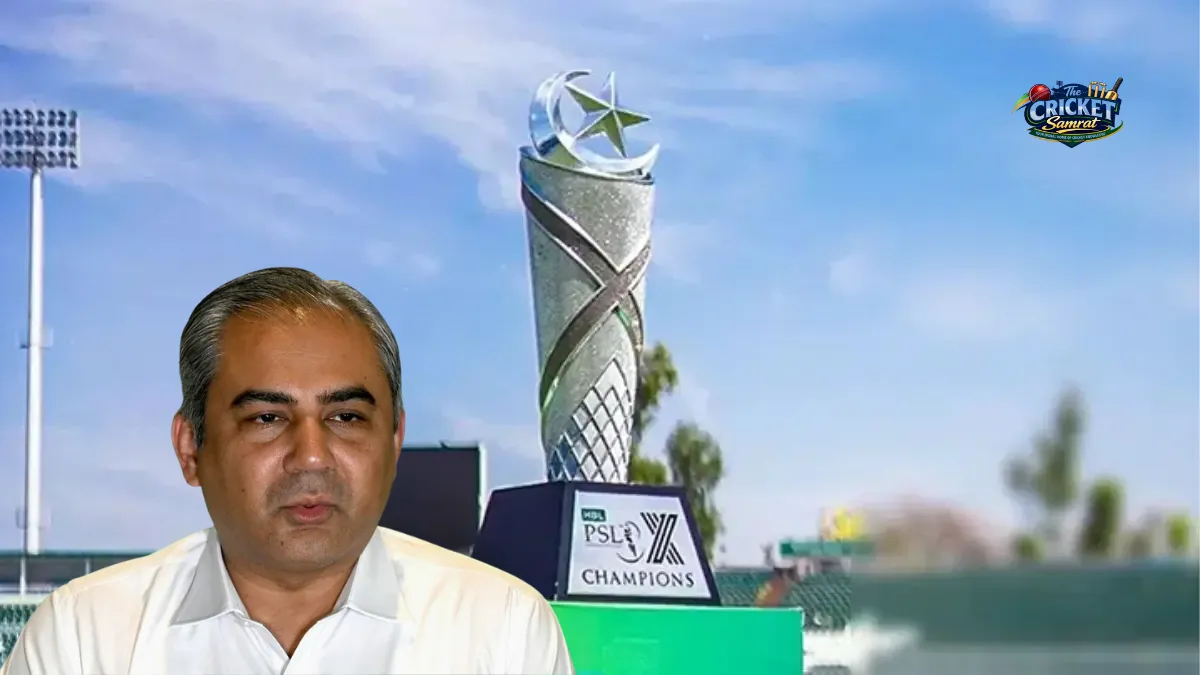
PSL Without Crowd: In a surprising and unprecedented move, Pakistan has decided to host the Pakistan Super League (PSL) 2026 without spectators, marking a major shift in how one of the country’s biggest sporting events will be conducted. The decision, driven by economic constraints and rising operational costs, means that fans will not be allowed inside stadiums, and even the much-anticipated opening ceremony has been cancelled.
This development has sparked widespread discussion among cricket fans and experts, as the “2026 Psl without crowd” scenario reshapes the atmosphere of the tournament and reflects the broader economic challenges facing the country.
Government’s Cost-Cutting Strategy Impacts PSL 2026
The Pakistan government has launched a cost-reduction campaign to manage its financial pressures, and the PSL has not remained untouched. As part of this strategy, authorities have decided to minimize expenses related to travel, security, and large public gatherings.
Pakistan Cricket Board (PCB) Chairman Mohsin Naqvi confirmed that the decision was made after consultations with the Prime Minister and national security agencies. According to him, restricting public movement and avoiding large crowds were necessary steps given the current economic situation.
He explained that allowing thousands of spectators in stadiums would have increased logistical costs significantly, making it impractical under current conditions. As a result, all matches in the 2026 Psl without crowd format will be played behind closed doors.
Opening Ceremony Cancelled for PSL 2026
Another major highlight of the tournament—the opening ceremony—has also been scrapped. Traditionally, PSL opening ceremonies feature grand performances, celebrity appearances, and vibrant celebrations that attract global attention.
However, in line with the cost-cutting measures, organizers have decided to eliminate this event entirely. This move is expected to save a significant amount of money but may disappoint fans who eagerly wait for the spectacle each year.
Matches Limited to Lahore and Karachi Only
Initially, PSL 2026 matches were planned across six cities in Pakistan. However, to further reduce expenses, the tournament has now been restricted to just two venues: Lahore and Karachi.
This change aims to cut down on travel costs, accommodation expenses, and logistical challenges associated with hosting matches in multiple cities.
Revised Venue Plan
| Aspect | Earlier Plan | Updated Plan |
|---|---|---|
| Number of Cities | 6 | 2 |
| Cities Included | Lahore, Karachi, Rawalpindi, Faisalabad, Peshawar, others | Lahore, Karachi |
| Travel Requirements | High | Minimal |
| Operational Cost | Higher | Reduced |
Matches that were originally scheduled in cities like Faisalabad, Peshawar, and Rawalpindi have now been cancelled. PCB Chairman Naqvi also issued an apology to fans in Peshawar and assured them that matches would be held there in future editions.
Oil Crisis Adds to Pakistan’s Economic Pressure
One of the key factors behind these drastic measures is the ongoing oil crisis in Asia, triggered by geopolitical tensions involving Iran. The sharp rise in crude oil prices has significantly increased fuel costs for Pakistan.
Despite the surge in global oil prices, the government has not fully passed on the burden to consumers. This has put additional strain on the national treasury, forcing authorities to cut costs in various sectors—including sports events like PSL.
The 2026 Psl without crowd decision is therefore not just a sporting adjustment but also a reflection of the country’s broader economic realities.
PCB to Compensate Franchises for Financial Losses
Hosting matches without spectators means franchises will lose a major source of revenue—ticket sales. To address this issue, the PCB has assured teams that it will compensate them for the financial losses incurred.
Naqvi acknowledged that ticket revenue plays a crucial role in franchise earnings. He stated that the board is working on mechanisms to minimize the impact and ensure financial stability for all participating teams.
Additionally, all tickets that have already been purchased will be refunded within 72 hours, ensuring that fans are not financially affected.
Strict Warning to Players Leaving PSL for IPL
In another significant development, PCB Chairman Mohsin Naqvi issued a strong warning to foreign players who withdrew from PSL 2026 to join the Indian Premier League (IPL).
Players such as Dasun Shanaka and Blessing Muzarabani reportedly switched leagues at the last moment. In response, Naqvi stated that legal action is being considered against a few players who violated contractual commitments.
This move highlights the PCB’s intent to protect the integrity of the league and enforce stricter compliance among international players.
PSL 2026 Schedule and Opening Match Details
The 11th edition of the PSL is set to begin on March 26, 2026, in Lahore. The opening match will feature Lahore Qalandars taking on Hyderabad Kingsmen.
Despite the absence of crowds, the tournament is expected to attract global viewership, especially with the participation of several international players, including a strong contingent from Australia.
PSL Title Winners History (2016–2025)
The PSL has seen multiple champions over the years, with Islamabad United and Lahore Qalandars emerging as the most successful teams.
PSL Champions Table
| Team | Titles | Winning Years |
|---|---|---|
| Islamabad United | 3 | 2016, 2018, 2024 |
| Lahore Qalandars | 3 | 2022, 2023, 2025 |
| Multan Sultans | 1 | 2021 |
| Quetta Gladiators | 1 | 2019 |
| Karachi Kings | 1 | 2020 |
| Peshawar Zalmi | 1 | 2017 |
PSL 2026 Teams and Cities
The upcoming season will feature both established and new teams, representing different cities across Pakistan.
PSL 2026 Teams List
| No. | Team Name | City |
|---|---|---|
| 1 | Islamabad United | Islamabad |
| 2 | Karachi Kings | Karachi |
| 3 | Lahore Qalandars | Lahore |
| 4 | Peshawar Zalmi | Peshawar |
| 5 | Quetta Gladiators | Quetta |
| 6 | Multan Sultans | Multan |
| 7 | Hyderabad Dragons | Hyderabad |
| 8 | Rawalpindi (formerly Sialkot) | Rawalpindi |
Also read: The Hundred Schedule 2026: Complete Fixtures, Dates, Teams, Match Timings and Venue Details
What “2026 Psl without crowd” Means for Fans
The absence of spectators will undoubtedly change the dynamics of the tournament. Stadiums that are usually filled with energy, chants, and excitement will now remain silent.
However, fans can still follow the action through live broadcasts and digital platforms. While the in-stadium experience will be missing, the quality of cricket is expected to remain high.
Conclusion
The 2026 Psl without crowd decision marks a historic moment in Pakistan cricket. While it reflects the economic challenges facing the nation, it also demonstrates the PCB’s commitment to continuing the tournament under difficult circumstances.
Although fans will miss the electrifying atmosphere of packed stadiums, the league’s continuation ensures that cricket remains alive and thriving. As PSL 2026 unfolds, all eyes will be on how teams adapt to this unique environment and deliver performances in a quieter, yet equally competitive setting.