
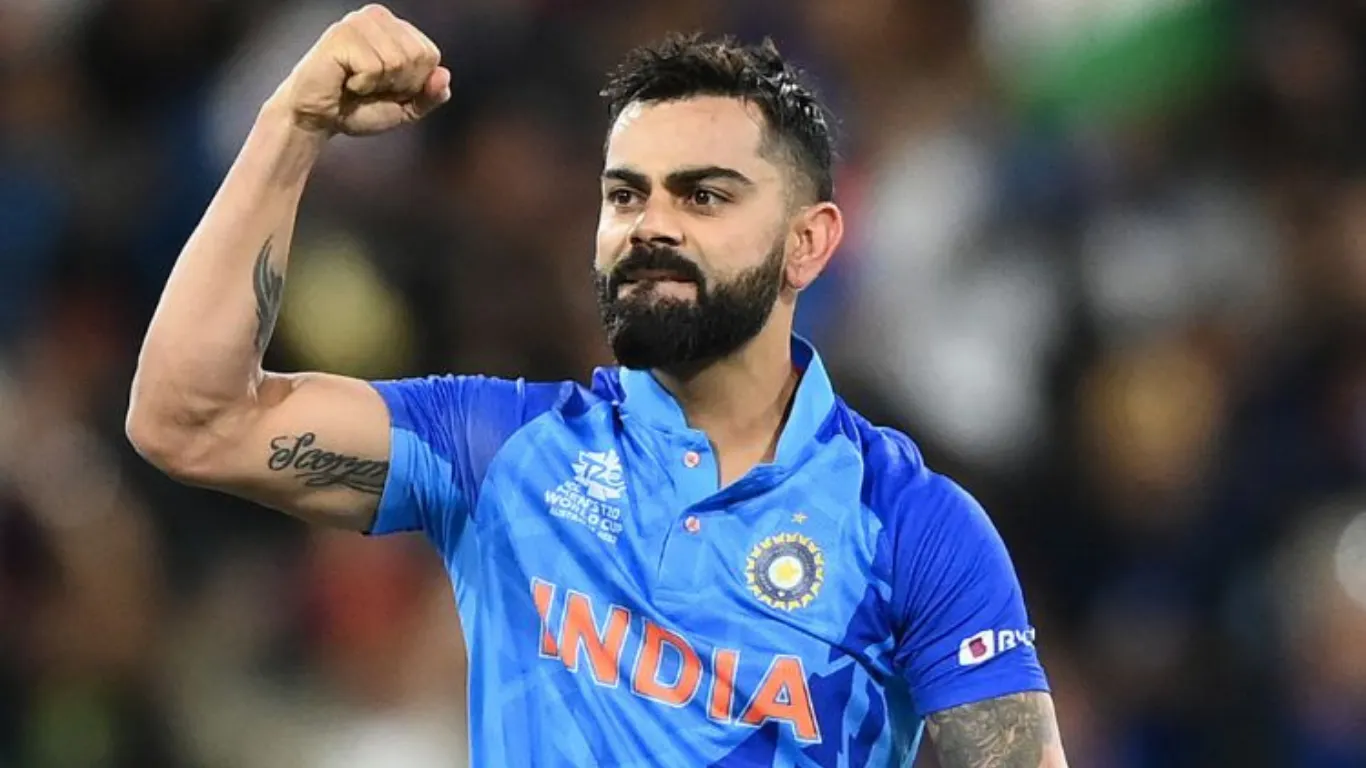
Indian cricket legend Virat Kohli has once again climbed to the summit of world cricket, reclaiming the number-one position in the ICC ODI batting rankings after a gap of nearly five years. The latest update from the International Cricket Council (ICC) marks a significant milestone in Kohli’s illustrious career and underlines his enduring dominance in international cricket.
The ranking reshuffle comes at the start of the new year and follows Kohli’s impressive performance against New Zealand in the opening One Day International of the series. His classy knock not only helped India compete strongly but also propelled him back to the top of the global batting charts, pushing former leader Rohit Sharma down to third place.
Virat Kohli’s Return to the Top: A Historic Moment
Virat Kohli’s rise to the number-one ODI batsman ranking is special for multiple reasons. At 37 years of age, Kohli has shown that class, consistency, and hunger for runs do not fade with time. This is the first time since July 2021 that he has occupied the top spot in the ICC ODI batting rankings, ending a long wait for fans who have followed his journey closely.
Kohli’s rating has now climbed to 785 points, which was enough to edge him ahead of New Zealand’s Daryl Mitchell and India’s Rohit Sharma. Before this update, Kohli was placed second in the rankings, but his performance in the New Zealand series gave him the final push needed to reclaim the crown.
This achievement also marks the 11th time in his career that Virat Kohli has become the world’s number-one ODI batsman. He first reached the top in October 2013, during a period when he was rapidly establishing himself as one of the most dependable batters in world cricket.
Match-Winning Knock Against New Zealand
The key performance behind Kohli’s rise came in the first ODI against New Zealand, where he played a brilliant innings of 93 runs. While he narrowly missed out on a century, the knock was packed with control, timing, and trademark Kohli determination.
Facing a quality New Zealand bowling attack, Kohli anchored the innings and kept India in the contest with his fluent stroke play. His ability to rotate strike, find boundaries at crucial moments, and handle pressure situations once again highlighted why he is considered one of the greatest ODI batters of all time.
The ICC ranking system heavily rewards consistency and impact, and Kohli’s innings proved decisive in earning him valuable rating points. His return to the top spot is a reflection not just of one innings, but of sustained excellence over time.
Narrow Gap Between the Top Two Batters
While Virat Kohli sits at number one with 785 rating points, the competition at the top remains extremely tight. New Zealand batter Daryl Mitchell has climbed to second place with 784 points, just one rating point behind Kohli.
Mitchell’s rise also came after strong performances for New Zealand, and the razor-thin margin between first and second place shows how competitive modern-day ODI cricket has become. Every run, every innings, and every series can have a significant impact on the rankings.
This close contest sets the stage for an exciting battle at the top, with Kohli now having the challenge of defending his position against some of the best batters in the world.
Rohit Sharma Slips to Third Position
Indian captain Rohit Sharma, who previously held the number-one ranking, has suffered a notable drop in the latest update. Rohit has slipped two places to third, with his rating falling to 775 points.
Rohit’s decline comes after a relatively modest performance in India’s opening ODI of the year against New Zealand. In that match, he scored 26 runs off 29 balls, an innings that failed to provide the momentum usually expected from the experienced opener.
Although Rohit remains one of the most destructive and accomplished ODI batters in the world, the ICC rankings are unforgiving when it comes to consistency. Even a single low score can result in a drop, especially when competitors around you perform strongly.
Despite the setback, Rohit Sharma remains firmly inside the top three, underlining India’s dominance in world cricket batting rankings.
Four Indian Batters Feature in ICC ODI Top 10
India’s strength in ODI cricket is further highlighted by the presence of four Indian batters in the ICC ODI top 10. This remarkable achievement reflects the depth and quality of India’s batting lineup across formats.
With Virat Kohli at number one and Rohit Sharma at number three, Indian batters continue to dominate the global stage. Their consistency at the highest level has been a major factor behind India’s sustained success in international cricket.
Having multiple players in the top 10 not only boosts team confidence but also sends a strong message to opponents ahead of major tournaments and bilateral series.
Kohli’s Legacy as a No.1 Batter
Virat Kohli’s return to the top also brings attention to his incredible longevity and consistency. Over the course of his career, Kohli has spent a total of 825 days as the world’s number-one ODI batsman.
This achievement makes him the first Indian batter and only the 10th player in the history of world cricket to accumulate more than 800 days at the top of the ODI rankings. Such a feat places him in an elite group alongside some of the greatest names the game has ever seen.
What makes Kohli’s journey even more impressive is the fact that he has adapted his game across different phases of his career. From an aggressive young batter to a composed and mature run-machine, Kohli has continually evolved to stay ahead of the competition.
Mohammed Siraj’s Big Jump in Bowling Rankings
India’s success in the latest ICC update was not limited to batting alone. In the ODI bowling rankings, Indian fast bowler Mohammed Siraj made a significant leap, climbing five places to reach joint 15th position.
Siraj now shares this ranking with Bangladesh all-rounder Mehidy Hasan Miraz, reflecting his growing influence in limited-overs cricket. Known for his ability to swing the ball early and bowl with pace and accuracy at the death, Siraj has become an increasingly important asset for India.
At the top of the ODI bowling rankings remains Afghanistan’s star all-rounder Rashid Khan, who continues to dominate with his consistency and match-winning performances.
What This Means for Indian Cricket
Virat Kohli’s return to the number-one ranking is more than just an individual milestone. It is a strong signal that India’s senior players are still performing at the highest level and are ready to lead the team in crucial matches.
With major international tournaments and high-profile series on the horizon, Kohli’s form will be vital for India’s ambitions. His experience, leadership, and ability to perform under pressure make him one of the most valuable players in world cricket.
For fans, seeing Virat Kohli back at the top of the ICC ODI rankings is a reminder of why he has remained one of the most followed and admired cricketers globally. His journey, marked by resilience and relentless pursuit of excellence, continues to inspire millions.
Also read: WPL First Century Player Name: Complete Story of the Historic Moment in Women’s Premier League
Conclusion
The latest ICC rankings have once again placed Virat Kohli where many believe he belongs—at the very top of ODI batting. After five long years, his return to the number-one position is a testament to his skill, dedication, and unmatched consistency.
As Rohit Sharma slips to third and Daryl Mitchell pushes close at second, the battle for supremacy in ODI cricket promises to be intense. Meanwhile, India’s strong presence across batting and bowling rankings highlights the team’s overall strength on the global stage.
With Virat Kohli leading the charts once again, the cricketing world will be watching closely to see how long he can hold on to the crown—and whether he can add even more chapters to his already legendary career.