
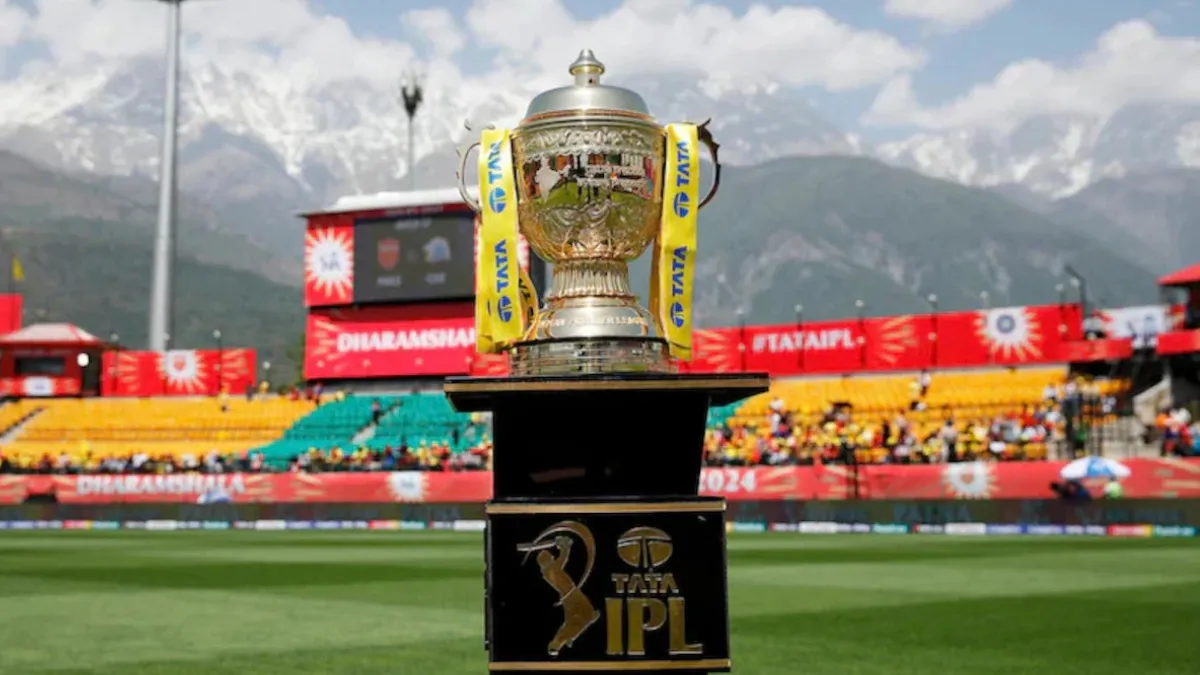
The much-awaited Indian Premier League 2026 season now has an official start date. The ipl 2026 start date in india has been confirmed as March 28, 2026, bringing excitement among cricket fans across the world. The announcement was made by broadcaster Star Sports on Sunday ahead of the ICC Men’s T20 World Cup 2026 final between India national cricket team and New Zealand national cricket team at the iconic Narendra Modi Stadium.
While the official start date has been revealed, the complete match schedule for the tournament is yet to be released by the Board of Control for Cricket in India (BCCI). Cricket followers are now eagerly waiting for the full fixtures list, which will include match venues, dates, and playoff details.
The upcoming season is expected to be another thrilling chapter in the history of the Indian Premier League, one of the most popular and lucrative cricket tournaments in the world.
IPL 2026: Key Details at a Glance
| Category | Details |
|---|---|
| Tournament | Indian Premier League 2026 |
| IPL 2026 Start Date | March 28, 2026 |
| Organizer | Board of Control for Cricket in India (BCCI) |
| Defending Champions | Royal Challengers Bengaluru |
| Final Venue | M. Chinnaswamy Stadium, Bengaluru |
| Opening Announcement | Made by Star Sports |
| Season Format | T20 franchise league |
Defending Champions Royal Challengers Bengaluru Ready for Title Defense
The Royal Challengers Bengaluru will enter the new season as the defending champions after winning their first-ever IPL title in the 2025 edition. The Bengaluru-based franchise clinched the championship in a dramatic final against Punjab Kings.
The thrilling title clash took place at the Narendra Modi Stadium in Ahmedabad, where RCB secured a narrow six-run victory. The win marked a historic moment for the franchise and its loyal fanbase, who had waited many years to see their team lift the coveted trophy.
With the ipl 2026 start date in india now confirmed, RCB will look to defend their title and continue their winning momentum in the upcoming season.
Bengaluru to Host IPL 2026 Final
In another major development, the Karnataka State Cricket Association (KSCA) confirmed that the M. Chinnaswamy Stadium will host the IPL 2026 final.
KSCA Secretary Santosh Menon revealed that the stadium will also stage five home matches for Royal Challengers Bengaluru during the tournament.
Additionally, one of the playoff matches of IPL 2026 will also take place at the iconic Bengaluru venue. This means the stadium will play a significant role in the latter stages of the competition.
RCB Home Matches for IPL 2026
| Venue | Matches |
|---|---|
| M. Chinnaswamy Stadium, Bengaluru | 5 matches |
| Shaheed Veer Narayan Singh International Cricket Stadium, Raipur | 2 matches |
| Total Home Matches | 7 matches |
Two RCB Matches to be Played in Raipur
Although Bengaluru will host the majority of RCB’s home fixtures, the franchise confirmed that two of their home matches will take place at the Shaheed Veer Narayan Singh International Cricket Stadium.
The Raipur venue has hosted several IPL matches in the past and remains a popular cricket destination in central India. Hosting two games there will allow fans from different regions to experience the excitement of the IPL 2026 season.
RCB Expresses Gratitude to Karnataka Authorities
In an official statement released earlier this week, Royal Challengers Bengaluru thanked the Government of Karnataka, the Karnataka State Cricket Association, and the Karnataka Police for their support in hosting matches in Bengaluru.
The franchise acknowledged the efforts made to upgrade infrastructure and ensure safety measures at the stadium ahead of the IPL season.
According to the statement, the cooperation of the authorities made it possible for the defending champions to play the majority of their home matches at their traditional venue.
CEO Rajesh Menon Highlights Importance of Bengaluru
Speaking about the decision, Rajesh Menon emphasized how crucial the M. Chinnaswamy Stadium is for the team.
He described the stadium as more than just a home ground, saying it represents the identity and spirit of the franchise. The passionate energy of Bengaluru’s fans has always been a major source of motivation for the players.
Menon also expressed appreciation for the loyal supporters who have backed the team for years. According to him, the fans deserve the opportunity to watch their team play at home after their historic title victory.
After completing all necessary permissions and discussions with authorities, the franchise confirmed that five matches will indeed take place in Bengaluru during IPL 2026.
Safety Concerns After Last Year’s Incident
Cricket activities at the M. Chinnaswamy Stadium had been suspended since June last year following a tragic incident. During Royal Challengers Bengaluru’s IPL 2025 title celebrations, a stampede occurred near the stadium, resulting in 11 fatalities and several injuries.
The unfortunate incident raised concerns about crowd management and stadium safety. Since then, authorities have been working on strengthening security measures and improving infrastructure to ensure the safety of spectators.
The upcoming IPL season will therefore be conducted with enhanced safety arrangements to prevent similar incidents.
Why IPL 2026 Is Highly Anticipated
With the ipl 2026 start date in india officially confirmed as March 28, excitement around the tournament is steadily building. The IPL continues to attract millions of viewers globally thanks to its combination of international stars, thrilling matches, and passionate fan culture.
Several storylines are expected to dominate the upcoming season:
- Defending champions RCB attempting to retain their title
- Star players returning after the T20 World Cup
- New strategies and squad combinations from franchises
- Packed stadiums across India
Fans are particularly eager to see how teams adapt after the intense international cricket schedule leading into the tournament.
Also read: Jacob Bethell IPL 2026: Which Team Will the England Star Play For This Season?
What Happens Next?
Although the ipl 2026 start date in india has been confirmed, fans are still waiting for the official match schedule, which will reveal:
- Opening match teams
- Full venue list
- Playoff schedule
- Final match details
The BCCI is expected to release the detailed fixtures in the coming weeks.
Until then, cricket lovers across India and around the world are already counting down to March 28, when the biggest T20 franchise league in the world will return with another action-packed season.