
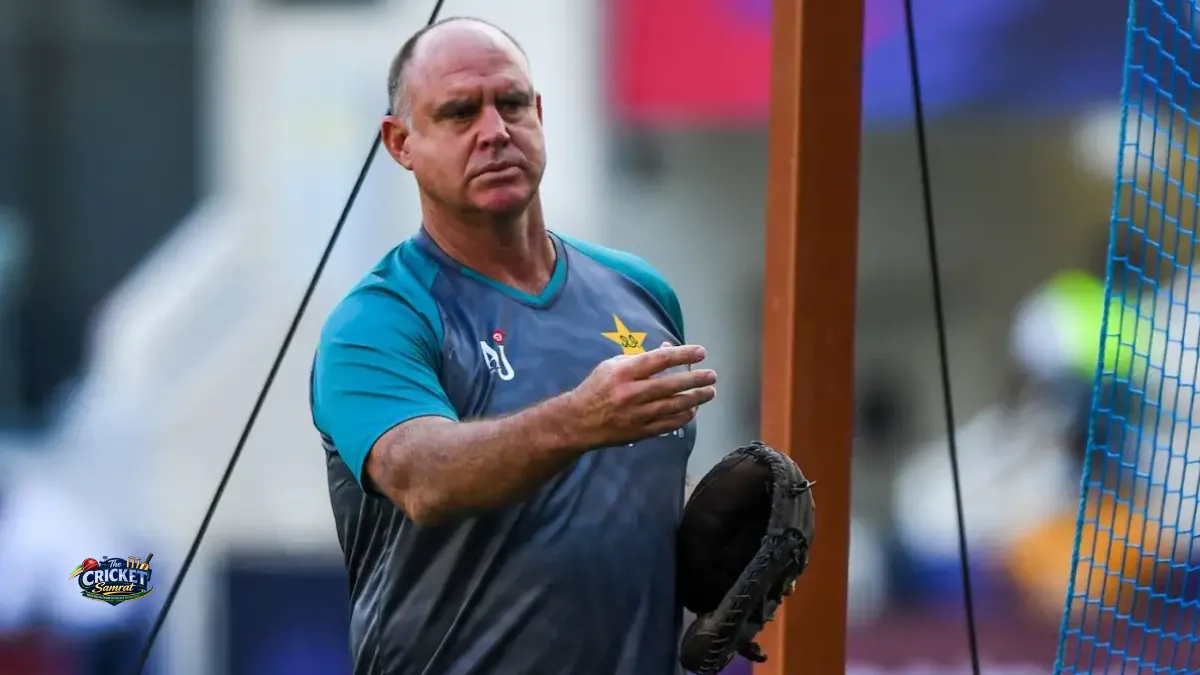
The Gujarat Titans have taken a significant step ahead of the Indian Premier League (IPL) 2026 season by strengthening their coaching setup. The franchise has appointed former Australian cricketer Matthew Hayden as the team’s new batting coach. The announcement was officially made by the franchise on Tuesday, marking an important move as the team prepares for the upcoming IPL campaign.
With this appointment, Hayden will now work closely with the Gujarat Titans’ batting unit and guide the team’s lineup under the leadership of captain Shubman Gill. The management believes that Hayden’s experience and knowledge of the game will play a vital role in sharpening the batting department and helping the team perform consistently during the 2026 season.
The decision reflects the franchise’s commitment to strengthening its support staff and building a competitive squad capable of challenging for the title in the new season.
Gujarat Titans Strengthen Coaching Setup Before IPL 2026
Ahead of the Indian Premier League 2026 season, the Gujarat Titans have been actively working on improving their overall team structure. By bringing in a highly experienced figure like Matthew Hayden, the franchise aims to enhance its batting approach and maintain a strong presence in the tournament.
Hayden’s appointment is expected to add valuable international expertise to the team’s coaching staff. Known for his aggressive batting style and deep understanding of the game, the former Australian opener brings years of experience both as a player and as a cricket analyst.
Under the captaincy of Shubman Gill, Gujarat Titans are building a batting lineup that can dominate matches and set strong totals. Hayden’s guidance is expected to help young players develop confidence while also helping experienced batters fine-tune their strategies.
The franchise believes that having a legendary international cricketer as part of the coaching staff will positively impact the team’s preparation and overall performance.
Statement from Gujarat Titans Cricket Director Vikram Solanki
Powerhouse. Legend. Now our Batting Coach 💪
— Gujarat Titans (@gujarat_titans) March 10, 2026
Saying '𝗛𝗮𝘆-𝗗𝗼𝘀t' to @HaydosTweets 👋 pic.twitter.com/J3eE59AzM1
Vikram Solanki, the Cricket Director of Gujarat Titans, shared his thoughts on the appointment of Matthew Hayden and described it as an important step in the franchise’s journey.
Solanki explained that bringing Hayden into the setup aligns with the team’s long-term vision of achieving excellence and sustained success in the IPL.
According to Solanki, Hayden’s experience at the highest level of international cricket makes him an ideal mentor for the squad. His ability to guide emerging players and his understanding of modern batting techniques will help shape the team’s batting identity for the upcoming season.
The Gujarat Titans management believes that strengthening the team’s cricket ecosystem is crucial for maintaining consistent performances in one of the most competitive T20 leagues in the world.
Matthew Hayden Shares His Vision for Gujarat Titans
After being appointed as the batting coach of Gujarat Titans, Matthew Hayden expressed his excitement about joining the franchise.
Hayden emphasized that strong batting performances can put immense pressure on the opposition and create opportunities to dominate matches. According to him, effective batting allows a team to control the tempo of the game and establish authority on the field.
He stated that his goal with the Gujarat Titans is to establish these high standards and help the team develop a powerful batting approach. Hayden also highlighted his enthusiasm about working with talented players and contributing to the franchise’s success in the IPL.
The former Australian opener is known for his aggressive mindset and match-winning abilities, qualities that the Gujarat Titans hope to bring into their batting culture.
Matthew Hayden’s International Career at a Glance
Matthew Hayden enjoyed a remarkable international career with Australia national cricket team, becoming one of the most successful opening batters of his era. Over the years, he played a crucial role in several major victories for Australia, including multiple ICC tournament wins.
International Career Statistics
| Format | Matches Played | Runs Scored |
|---|---|---|
| Test | 103 | 8,625 |
| ODI | 161 | 6,133 |
| T20I | 9 | 308 |
| Total | 273 | 15,000+ Runs |
Hayden’s aggressive batting style, combined with his consistency, made him one of the most feared opening batters in world cricket. His vast experience is expected to benefit Gujarat Titans players, particularly young talents who are still developing their game.
Matthew Hayden’s IPL Career
Matthew Hayden also had a successful stint in the Indian Premier League, where he represented Chennai Super Kings between 2008 and 2010. During his time in the tournament, Hayden proved to be one of the most explosive batters.
IPL Career Highlights
| Season | Team | Matches | Runs |
|---|---|---|---|
| 2008 | Chennai Super Kings | 12 | 434 |
| 2009 | Chennai Super Kings | 12 | 572 |
| 2010 | Chennai Super Kings | 8 | 101 |
| Total | — | 32 | 1107 Runs |
In the 2009 IPL season, Hayden scored 572 runs and won the prestigious Orange Cap, awarded to the tournament’s highest run-scorer.
What This Means for Gujarat Titans in IPL 2026
The appointment of Matthew Hayden signals the Gujarat Titans’ ambition to build a powerful and well-structured team ahead of IPL 2026. With a dynamic captain like Shubman Gill and a growing core of talented players, the franchise is aiming to develop a batting lineup capable of dominating matches.
Hayden’s experience, strategic insight, and mentorship are expected to play a key role in shaping the team’s batting philosophy. As the IPL continues to evolve into one of the most competitive leagues in global cricket, the Gujarat Titans are clearly focusing on strengthening every aspect of their squad.
With the addition of a legendary cricketer to their coaching staff, the Gujarat Titans are gearing up for an exciting and competitive campaign in the upcoming IPL 2026 season.