
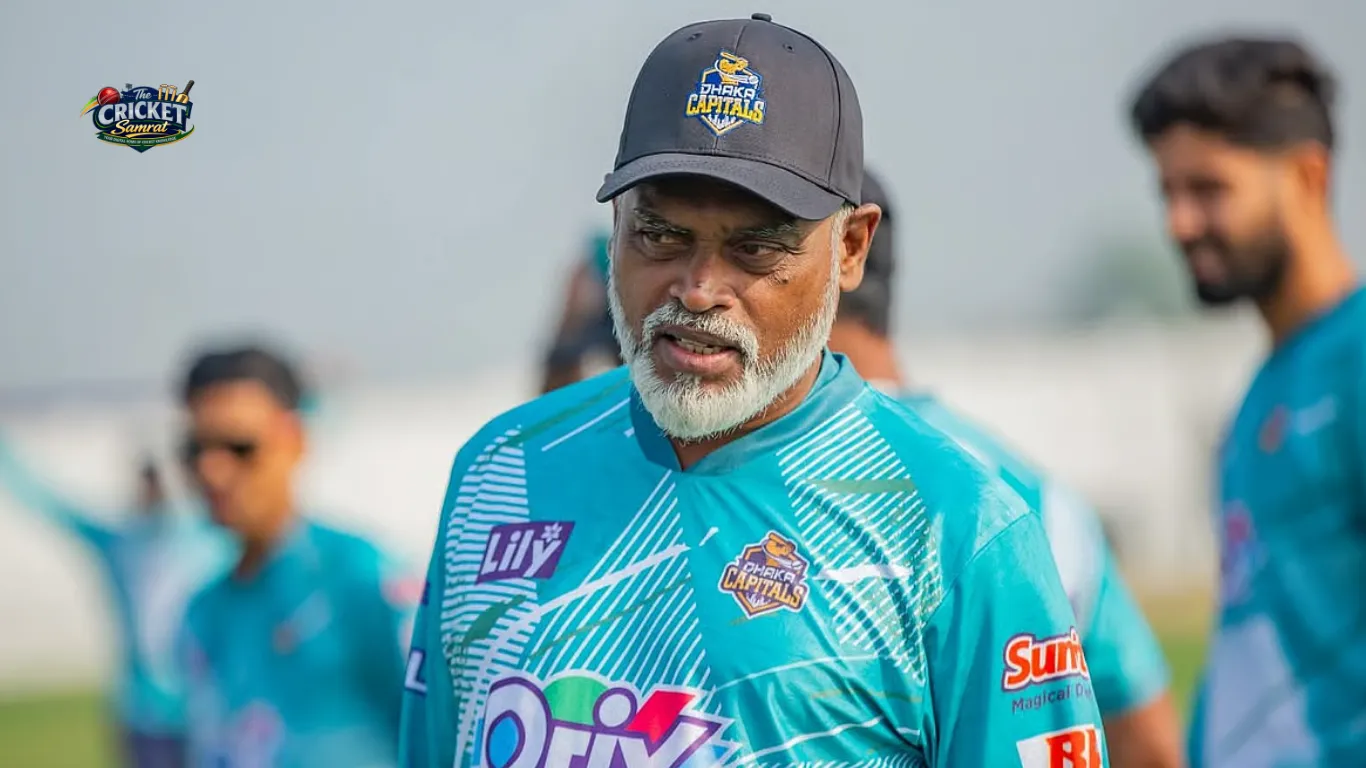
Bangladesh cricket death: The Bangladesh Premier League (BPL) was plunged into deep mourning after a tragic incident unfolded just before a scheduled match, sending shockwaves across the cricketing world. The sudden death of Dhaka Capitals’ assistant coach Mahboob Ali Zaki cast a shadow over the tournament, marking one of the most heartbreaking moments in recent Bangladesh cricket history. The incident has since been widely discussed under the grim headline of Bangladesh cricket death, reflecting the profound loss felt throughout the sport.
Tragedy Strikes Before Matchday Action
The incident occurred on the day Dhaka Capitals were set to play their opening Bangladesh Premier League match against Rajshahi Warriors. What was meant to be a celebratory start to the team’s campaign turned into a day of sorrow when Mahboob Ali Zaki suffered a sudden health emergency at the ground during pre-match activities.
According to team officials and eyewitness accounts, Zaki began feeling unwell shortly before the match was due to start. Within moments, his condition deteriorated rapidly, and he collapsed on the field. Medical staff rushed to his aid and immediately began emergency procedures, including cardiopulmonary resuscitation (CPR), in an attempt to stabilize him.
Emergency Response and Hospitalization
After receiving initial treatment at the venue, Zaki was quickly transported by ambulance to a nearby hospital. Doctors examined him upon arrival and admitted him to the Intensive Care Unit (ICU) in critical condition. Despite the best efforts of the medical team, he could not be revived.
Hospital officials later confirmed that Mahboob Ali Zaki passed away around 12:30 pm local Bangladesh time. The devastating news spread rapidly through the stadium and beyond, leaving players, staff, and fans in a state of disbelief.
The Dhaka Capitals franchise released an official statement expressing their grief. The statement read that Zaki had fallen ill during practice, collapsed on the field, received immediate CPR, and was rushed to hospital, where he later died despite intensive medical care.
Match Overshadowed by Loss
Following confirmation of his death, the atmosphere at the ground changed completely. While the match between Dhaka Capitals and Rajshahi Warriors went ahead, cricket took a backseat as emotions ran high. During the innings break, players and officials from both teams observed a moment of silence in memory of Zaki, paying tribute to a man who dedicated his life to the game.
Players stood solemnly on the field, heads bowed, as the cricketing community collectively mourned the loss. Fans watching from the stands and at home shared their condolences on social media, turning the matchday into a remembrance rather than a sporting contest.
Tributes Pour In From Cricketing Fraternity
The news of this Bangladesh cricket death prompted an outpouring of tributes from current and former players, coaches, and officials. One of the most heartfelt messages came from Bangladesh’s former captain and star all-rounder Shakib Al Hasan.
Shakib shared his memories of Zaki, writing that he had known him since his earliest days as a professional cricketer. He described Zaki as someone whose final moments were spent on the cricket field, doing the work he loved most. Shakib extended his deepest sympathies to Zaki’s family, highlighting the immense personal and professional loss his death represents.
A Respected Figure in Bangladesh Cricket
Mahboob Ali Zaki was widely regarded as a respected and influential figure in Bangladesh cricket. Beyond his role as assistant coach of Dhaka Capitals, he served Bangladesh cricket in multiple capacities over the years. He worked with the Bangladesh Cricket Board (BCB) as a bowling coach in its development department, contributing significantly to nurturing young talent across the country.
One of the highlights of his coaching career came in 2020, when Bangladesh won the ICC Under-19 Cricket World Cup by defeating India in the final. Zaki was part of that historic setup, serving as the bowling coach of the championship-winning team. His work with young cricketers played a key role in shaping the next generation of Bangladesh cricket stars.
Former players and colleagues often described Zaki as dedicated, humble, and deeply passionate about coaching. He was known for his commitment to player development and his ability to connect with cricketers at all levels, from grassroots to elite competitions like the Bangladesh Premier League.
Read also: Australia v England: Bowling Dominates as 20 Wickets Fall on Dramatic Day One of Melbourne Test
Impact on the League and Beyond
The sudden nature of this Bangladesh cricket death has raised renewed conversations around player and staff health, medical preparedness at sporting venues, and the immense pressures faced by professionals working in high-intensity environments. While medical teams acted swiftly, the tragedy serves as a sobering reminder that life can change in an instant, even in the midst of sport.
For the Bangladesh Premier League, the loss of Mahboob Ali Zaki is not just the death of a coach but the passing of a mentor, guide, and contributor who helped shape the nation’s cricketing journey. His absence will be felt not only by Dhaka Capitals but across Bangladesh’s domestic and development cricket structure.
The Bangladesh Cricket Board deeply mourns the passing of Mahbub Ali Zaki (59), Specialist Pace Bowling Coach of the BCB Game Development Department and Assistant Coach of Dhaka Capitals in the Bangladesh Premier League (BPL) T20 2026.
— Bangladesh Cricket (@BCBtigers) December 27, 2025
He passed away today, 27 December 2025, in… pic.twitter.com/KVv9FwrWOF
A Legacy That Will Be Remembered
As tributes continue to pour in, Mahboob Ali Zaki’s legacy remains firmly etched in Bangladesh cricket history. From nurturing young bowlers to contributing to a World Cup-winning youth team and serving franchises in the BPL, his impact extended far beyond any single role.
While the Bangladesh Premier League will continue, it will do so with heavy hearts. The cricketing community now rallies around Zaki’s family, offering condolences and support during this painful time.
In the end, this tragic Bangladesh cricket death has united players, fans, and officials in shared grief, reminding everyone that behind the excitement of the sport are real people whose lives and contributions matter deeply. Mahboob Ali Zaki may no longer be on the sidelines, but his influence on Bangladesh cricket will endure for years to come.